
Oindrila Purohit
10 Minutes Read
Pregnancy is a time of immense change — physically, emotionally and mentally. While this chapter is often described with joy and anticipation, it also brings a range of emotional challenges during pregnancy that can sometimes feel overwhelming. For many expecting mothers in India, balancing work, family responsibilities and self-care adds to the need for strong emotional wellbeing.
In this article, we explore common emotional changes like mood swings, anxiety, fatigue, and body image concerns, why they happen and simple ways to support emotional health in pregnancy.
What Emotional Challenges do Women Face During Pregnancy?
Pregnant women experience several distinct emotional challenges that directly impact their daily interactions and responses to their environment, be it work, at home or anywhere else.
1. Heightened Emotional Sensitivity: Expectant mothers often find themselves reacting more intensely to situations that previously wouldn't have affected them. This increased sensitivity can make routine social interactions feel more challenging.
2. Mood Swings and Irritability: Women may experience rapid shifts from happiness to sadness or frustration within minutes. These mood fluctuations can strain relationships and make decision-making more difficult.
3. Anxiety and Worry: Many pregnant women develop heightened worry about their baby's health, their ability to be good mothers, or changes in their relationships.
4. Body Image Concerns: As the body changes, some women struggle with their evolving appearance. They may feel uncomfortable in social situations, avoid mirrors, or become overly focused on physical changes. This can affect their confidence in professional and personal settings.
5. Fatigue-Related Emotional Exhaustion: Physical tiredness often translates to emotional depletion. Simple tasks like grocery shopping or attending social gatherings might feel overwhelming, leading to withdrawal from activities and relationships.
What causes these emotional challenges?
During the pregnancy stage, the female human body undergoes the following hormonal changes.
1. Estrogen Fluctuations: Estrogen levels in the mother's body rise, to improve bloodflow and overall energy levels. But when these levels fluctuate above what the mother's body is used to, they can heighten emotional sensitivity. This hormonal shift is directly linked to mood swings and increased irritability. Women may find themselves crying over situations that wouldn't typically affect them, or feeling overwhelmed by sensory input like loud noises or bright lights.
2. Progesterone Effects: Higher progesterone levels have a naturally calming effect on the body, but they also cause fatigue, sleepiness, and sometimes feelings of sadness or melancholy. This hormone is responsible for the deep exhaustion many women feel, especially in the first and third trimesters. The resulting tiredness can make emotional regulation more difficult, leading to increased stress responses.
3. Oxytocin Increase: Later in pregnancy, rising oxytocin levels promote bonding and nurturing feelings while also making mothers more emotionally responsive to their environment. This can intensify reactions to both positive and negative stimuli. You can observe it when pregnant women suddenly feel vulnerable or over-protective.
4. Other hormones like human chorionic gonadotropin (hCG) and relaxin also contribute to emotional changes. hCG, particularly high in early pregnancy, is often linked to morning sickness and mood fluctuations. Relaxin, which helps prepare the body for childbirth, can contribute to feelings of physical and emotional instability.
These hormonal changes affect neurotransmitters in the brain that regulate mood, including serotonin and dopamine, explaining why emotional responses during pregnancy can feel so different from a woman's usual patterns.
If you feel any of these, its completely alright
It is natural to experience mood swings during pregnancy. From excitement and happiness to worry and even temporary sadness, these changes are part of the journey.One key reason is hormonal changes in pregnancy. Shifts in estrogen and progesterone affect brain chemistry and mood regulation, which explains why many women ask, "Why do I feel more emotional during pregnancy?"
Recognizing that these are normal feelings helps you manage them with greater self-compassion and balance. These emotional shifts should not be ignored.
How to Manage These Emotional Challenges
Strategies for Pregnant Mothers
Here are a few tips to manage your emotions when you observe this shift in behavior.
- Notice and accept your emotions - Mood shifts are part of pregnancy, not a weakness
- Pause and breathe
- Practice mindfulness techniques like body scanning or guided imagery for 10-15 minutes daily
- Keep a balanced routine - Nutritious meals, light exercise and good sleep habits reduce pregnancy stress and anxiety
It is common to experience physical discomfort along with the emotional challenges. Fatigue, morning sickness, disturbed sleep or back pain — often feeds into pregnancy stress and emotional ups and downs. As a pregnant woman, here are some steps to manage the physical discomfort:
- Take gentle stretches throughout the day to release physical tension
- Schedule regular rest breaks
- Use warm baths or prenatal massage to ease physical discomfort
- Set realistic expectations for daily activities
How Your Partner, Family and Friends Can Help
For Husbands and Partners:
- Simply Showing Up Is One of the Most Effective Ways to Show Support. Attend all of your partner’s medical appointments.
- Learn about the changes that pregnant women undergo to better understand mood fluctuations
- Take on additional household responsibilities to reduce physical stress
- Be patient with emotional reactions and avoid taking mood swings personally
- Ask the right questions - do not put the burden on your partner and expect them to tell you exactly what to do at every step of the way.
- Plan low-energy activities together like gentle walks or movie nights at home
For family members
- Understand cultural expectations. Acknowledge the potential for increased family scrutiny and pressure in an Indian context. Reassure her that her emotional well-being is the top priority.
- Avoid giving unsolicited advice about emotions or parenting. Additionally, act as a buffer against well-meaning but overwhelming advice or commentary from relatives, especially concerning her body or habits.
- Stay connected through regular check-ins without being overwhelming
- Create a calm, supportive environment during family gatherings
- Offer practical support like meal preparation or household help
- Respect the pregnant woman's need for rest and alone time
What do we now know about emotional challenges during pregnancy?
Pregnancy is more than a physical transformation — it is also an emotional and psychological one. By understanding common emotional challenges during pregnancy and implementing simple daily practices, expectant mothers can navigate this journey with greater balance and joy.
The hormonal changes that cause mood swings, anxiety, and emotional sensitivity are natural parts of pregnancy, not personal failings. With proper support from partners and family members, along with self-compassion and practical coping strategies, these challenges become manageable aspects of the pregnancy experience.Remember, nurturing your emotional health is not just about reducing pregnancy stress; it is also a powerful way to care for yourself and your baby.
By acknowledging these changes, seeking support when needed, and practicing gentle self-care, you can embrace the emotional journey of pregnancy while building resilience for motherhood ahead.
Oindrila Purohit
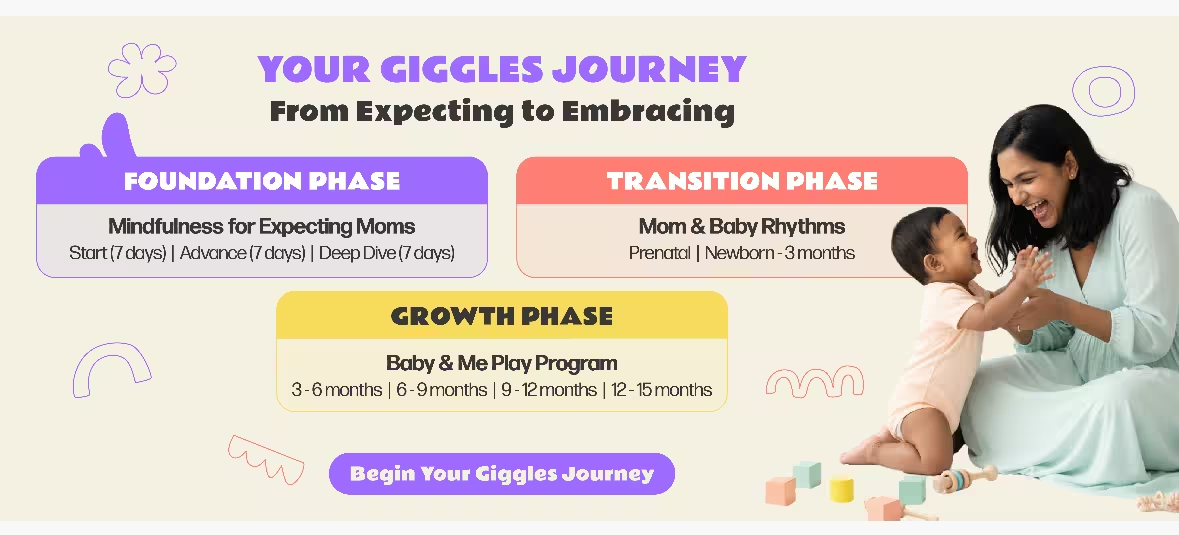
Giggles is a screen free, research based program that helps you bond with your baby through simple music, movement, stories, and calm play.
.svg)
.svg)
.svg)
.svg)

.svg)
.png)
.svg)
.svg)
.svg)
.svg)
.svg)
.svg)
.svg)
.svg)
.svg)
.svg)
.svg)
.svg)
.svg)