
Oindrila Purohit
10 Minutes Read
Becoming a parent is one of the most beautiful transitions in life. From the excitement of pregnancy to holding your little one for the first time, every step brings joy and change. But along with the happy moments, there can also be days of doubt, exhaustion and emotional ups and downs.
What often gets overlooked is the importance of emotional wellbeing — for both the mother and the baby. A calm, supported, and emotionally balanced mother creates the best foundationfor a healthy, happy child. Let’s look at why this matters so much and how families can nurture it.
Maternal Health – Why Emotional Wellbeing Matters

During pregnancy and the months after birth, a mother’s emotional health plays a huge role in
how smoothly she transitions into parenthood. It is not just about physical recovery—it’s about
how she feels, how she copes and how supported she is.
When emotional wellbeing is prioritized, it reduces stress, helps prevent mood disturbances,
and creates a warm, nurturing environment for the baby. Simple steps like mental health check-
ins during doctor visits, having structured support systems at home, and encouraging open
conversations about emotions can make a big difference.
Motherhood can sometimes feel like an unfamiliar world. In nuclear families, or when living
away from close relatives, new moms may feel like they are handling it all on their own. This is
where peer support and community bonding can work wonders.
Joining a parent circle, connecting with other moms online, or even having a trusted friend to
share experiences with can bring a lot of comfort. Just knowing that others are going through
the same late nights, feeding struggles, or emotional highs and lows makes the journey less
overwhelming. And when partners and grandparents actively pitch in, mothers feel more relaxed
and emotionally stable—which babies can sense too.
Emotional Balance After Birth – Supporting Mothers Through Change
The weeks after birth can feel overwhelming. There are sleepless nights, constant feeding, and a rollercoaster of emotions. Some days mothers may feel on top of the world, while other days may feel tougher than expected—and that is completely normal.
Recognizing these ups and downs early and offering support makes a huge difference. Whether it’s through family encouragement, professional guidance or community support circles, mothers need safe spaces to share and heal. Supporting a new mother emotionally is not just care—it’s an investment in her and her baby’s future.
Women’s Experience – Every Journey is Unique
No two motherhood journeys look the same. Some mothers may feel well-supported, while others may find themselves juggling multiple challenges. What matters most is that every woman’s voice is heard and her choices respected.
When caregivers, family members, and healthcare providers listen with empathy and respond with understanding, mothers feel valued. That sense of being seen and respected goes a long way in building confidence during the early parenting years.
Predictors of Bonding – What Really Shapes Connection

Bonding between mother and baby is influenced by many factors—like breastfeeding experiences, quality of sleep, partner involvement and cultural traditions. For example, in many Indian families, grandparents become a steady source of emotional and practical support, creating a strong sense of security for both mother and child.
On the other hand, when mothers feel unsupported or exhausted, bonding may take longer. By recognizing these influences and making small changes—like encouraging fathers to participate more or ensuring the mother gets enough rest—families can strengthen the mother-baby connection.
Stress Symptoms – When to Pause and Pay Attention
Pregnancy and childbirth bring a lot of physical and emotional changes. Sometimes stress shows up in subtle ways — trouble sleeping, feeling unusually irritable or withdrawing from loved ones. If left unchecked, these symptoms can affect the overall family environment.
The good news is, there are many ways to manage stress. Practices like yoga, meditation or even just mindful breathing can help. Many Indian mothers also find strength in community rituals, prayer or quiet family time. Partner involvement — whether it’s taking over baby duties for a while or simply offering emotional reassurance—can be one of the strongest stress-buffers for new moms.
Final Thoughts – Nurturing Mothers, Nurturing Families
Emotional wellbeing is not just about avoiding stress — it’s about creating an environment where mothers feel supported, cared for and empowered. When mothers feel emotionally strong, babies thrive. And when babies thrive, families flourish.
For first-time parents, the takeaway is simple: along with doctor visits, nutrition, and physical health, don’t forget to check in on emotional health. A listening ear, a little patience, and a supportive hand can go a long way in making this journey joyful for both mother and baby.
Oindrila Purohit
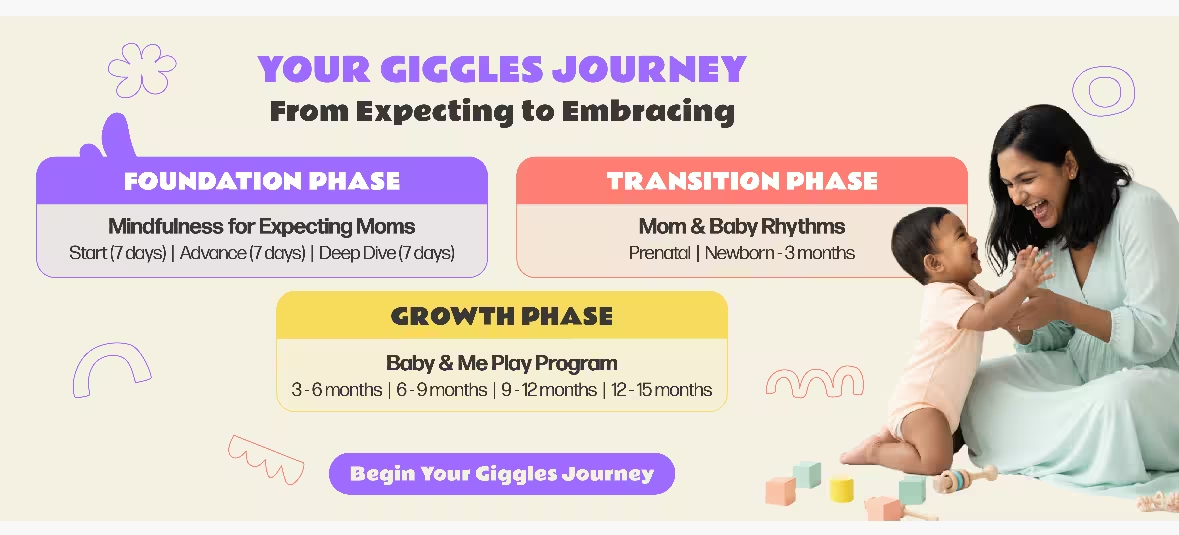
Giggles is a screen free, research based program that helps you bond with your baby through simple music, movement, stories, and calm play.
.svg)
.svg)
.svg)
.svg)

.svg)
.png)
.svg)
.svg)
.svg)
.svg)
.svg)
.svg)
.svg)
.svg)
.svg)
.svg)
.svg)
.svg)
.svg)